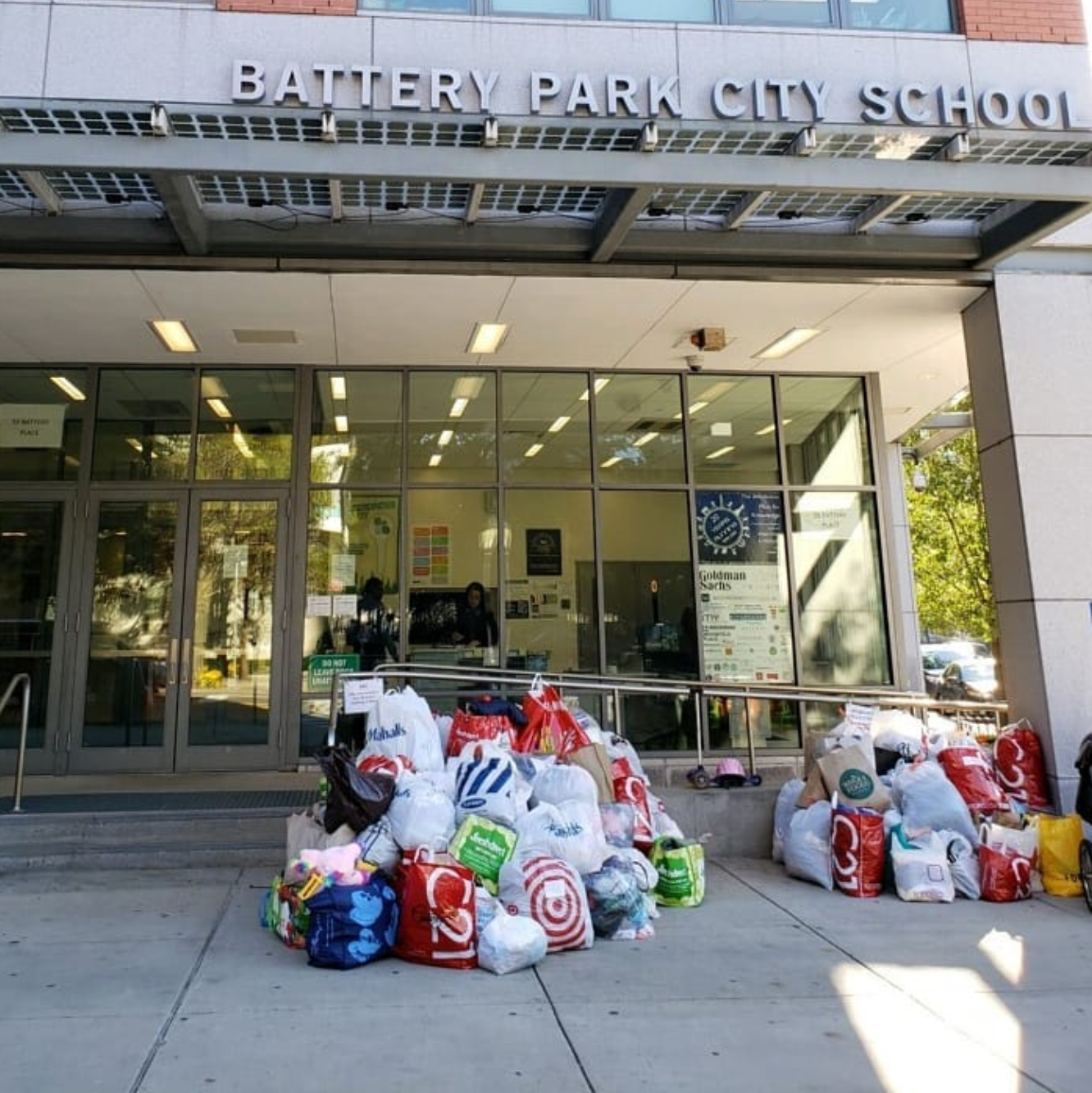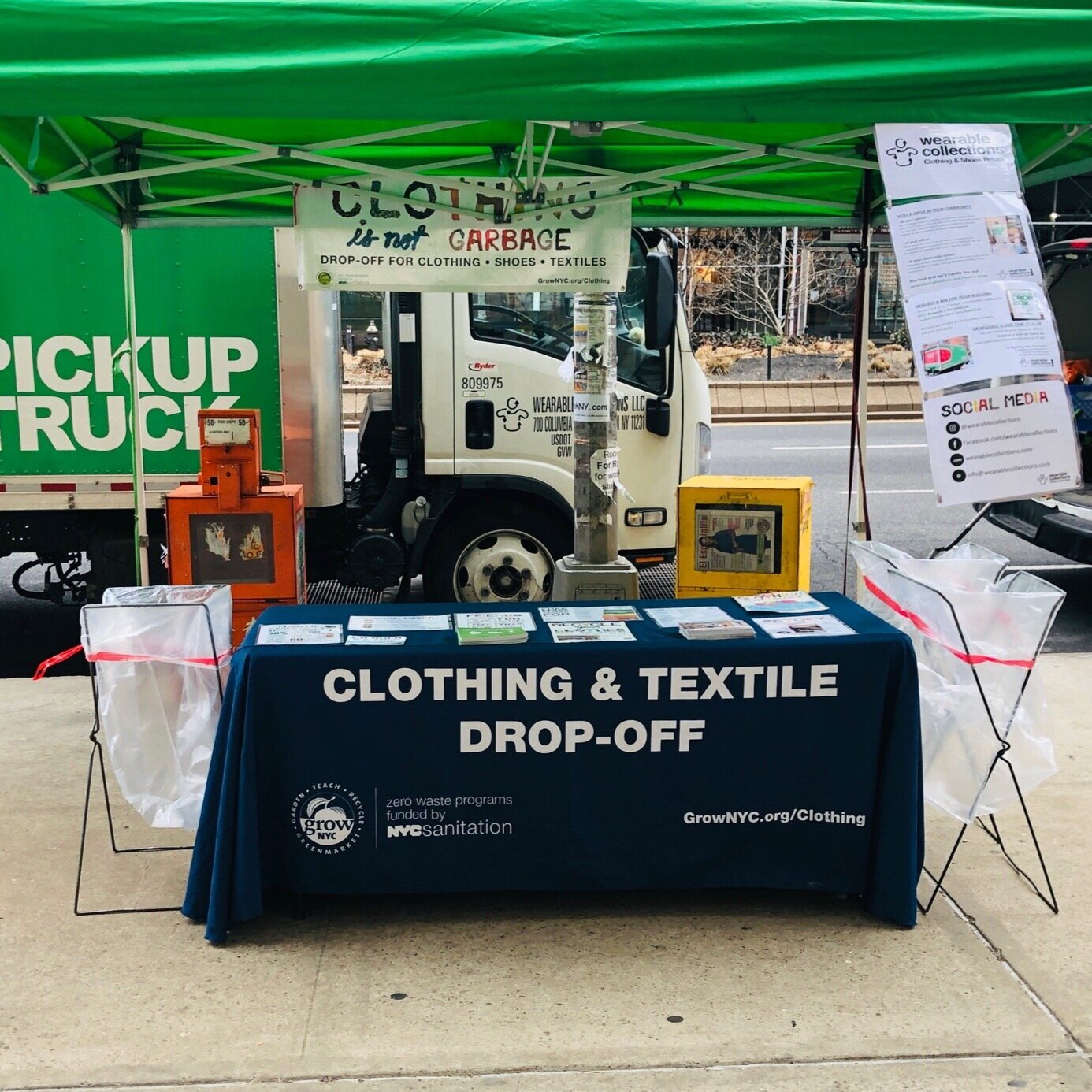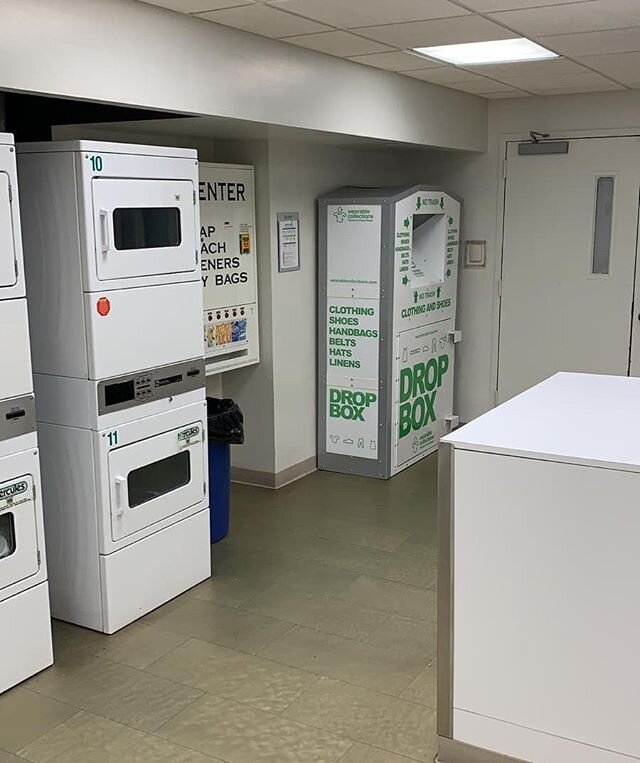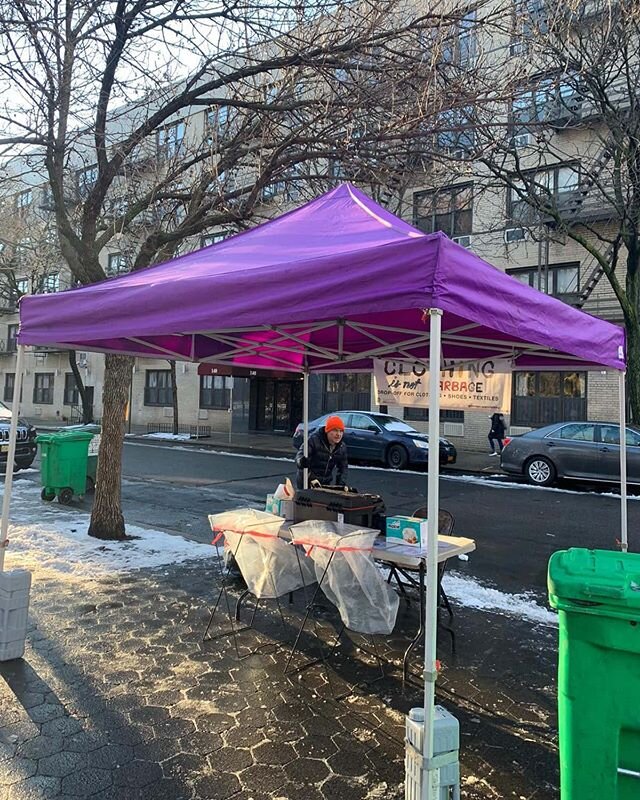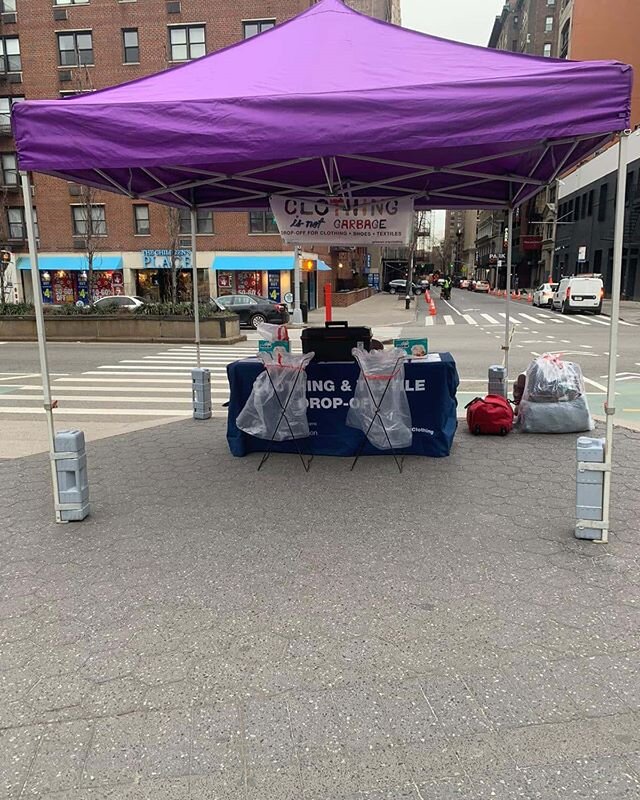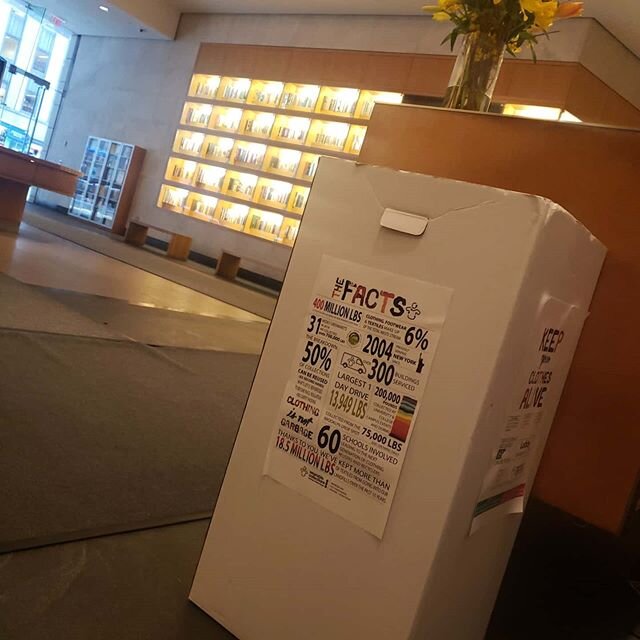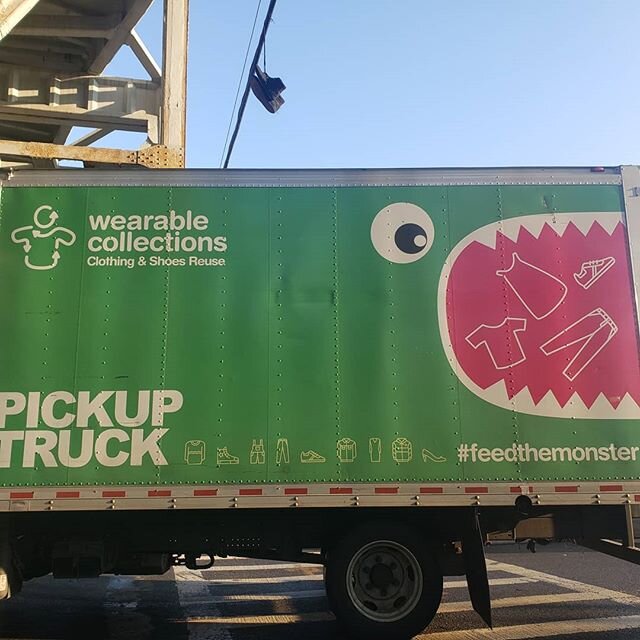
Courtesy of our friend Mike Lieberman
Email Us: info@wearablecollections.com Phone Us: (646) 515-4387
THE PROBLEM. According to a recent study, 386 million pounds of textiles enter the NYC waste stream annually, representing close to 6% of total waste.
THE SOLUTION. Wearable Collections provides a no cost, turn-key solution to recycling clothing within residential buildings in NYC. We handle all the logistics from placement of bins and promotion within the buildings to scheduling weekly pick-ups.
THE BENEFIT. Through our established network we distribute your discarded clothing around the world to people who need it, enabling us to raise money for charitable organizations.
A little info can go a long way.
Courtesy of our friend Mike Lieberman

Wearable Collections wants to be clear that we are here for you, fashion industry. There is no need for you to be slashing your clothes and sending them to landfills. There has to be a better solution. If you read the NYTimes, or one of our faves, racked.com (photo courtesy of Racked), you may have noticed the hub-bub H & M have brought upon themselves by slashing and tossing perfectly good apparel. We are not even going to pretend to know what goes on in the mind of some corporations. We do know that it is customary for them to slash samples and returns. Obviously, the companies have a right to protect proprietary designs. It just seems wrong on multiple levels in this era both economically and environmentally to be continuing these rituals. Wearable Collections would like to offer our service to to any company who would like to break this habit. We are already collecting nearly 100,000 lbs of used clothing a month in the NYC metro area. We could easily include any and all of your stores as part of our daily collections. We can even provide you with a clothing recycling bin free of charge so that your customers can easily recycle clothes within your stores. Once the clothing is collected, it is brought to a sorting facility to determine a new home for it. Industry standard calls for 50% of these items to be re-used as second hand clothing, providing cheap clothing in emerging markets, 25% of the collected items will be used as rags in heavy industry, and 20 % is sent to facilities where they are broken down into fibers to be re-used as low grade fiber products. From any load 95-97% will be re-used in one form or another. We provide our service at no-cost to our partners and will donate 20% of the gross proceeds of the sale of the clothing to the charity of our partner’s choice. H & M should know, no one has to lose!
To join the Wearable Collections clothing recycling program please e-mail us at info@wearablecollections.com
Wearable Founder Adam Baruchowitz lead a workshop this weekend for AJWS/Avodah on how to scale a social venture. Here is a list of ten pieces to the scaling a venture puzzle:
Passion- Your idea needs to be something you are passionate about. You will be dedicating endless hours and energy to your project so it needs to be something you enjoy thinking about, and something that really drives your interest. You will need to sell your idea to others , your passion will give them confidence to support you.
Think Local- Think of problems/needs facing your local community, master them, become an expert on them. Chances are there are other communities facing the same problems and that your solutions can be transferrable to other communities.

Today we placed a clothing recycling bin inside (eco)compasion, greenfinds.com store at 2 great jones st. This bin is open to the public. So people in the village feel free to drop off your used clothes and get some eco-holiday presents for loved ones.


How to order wine
Many years ago my late father was in a fancy restaurant in France and said "I'll have a bottle of Beaujolais please." The sommelier sniffed back "We don't have that, but if you like I will get you something equally as bad." When it comes to green wines, you need not fear a snotty sommelier; just follow the tips that Jessica staggered back from the "Message in a Barrel" conference with. To avoid a CO2 hangover, wine should travel:
1. Locally, if possible: Most carbon emissions from wine originate in its method of transportation. Ask questions at your local wine & spirits shop and then choose the vintage closest to home that has arrived in the most energy efficient manner.
2. Express: If you can't drink local, map out the least offending route for your vino's travel
|
Powered by Treehugger www.treehugger.com |